

We’re more than halfway through 2026, and if this year has taught us anything, it’s that the rules written three years ago don’t apply today. The photography industry is shifting faster than at any point in my career, not just in terms of technology, but in what clients want, what audiences respond to, and what it actually means to do creative work successfully.
Some of those shifts have confirmed the instincts I’ve held for years, and others have genuinely surprised me.
Here are some of the biggest creative lessons I’ve learned so far this year and what these lessons mean for brands, entrepreneurs, and anyone investing in visual content.
Lesson 1: Authenticity Isn’t a Trend, It’s the Standard.
 If I had to name the single most defining creative shift of 2026, it’s this: audiences have developed an almost reflexive ability to detect inauthenticity. At the very hint of it, they will reject it immediately.
2026 is the year the industry started breathing again. Audiences favoring authenticity have been on the rise for quite some time now, but this year in particular, with the rise of AI and AI slop in the arts, audiences are opting for projects that look and feel real. They’re tired of seeing faces that look like plastic and colors that look like candy.
Authenticity in brand photography is the biggest trend of the year. People want to see the grain in the wood, the texture of the fabric, and the light falling upon real skin.
We’ve seen this play out in client briefs all year. Clients aren’t asking for campaigns to look extremely polished. They’re asking for campaigns to look real. I’ve even seen this response to my own content across social media. There is undoubtedly a cultural rejection of the smooth, homogenized appearance of AI-generated faces in photography now.
For photographers, this is both a creative liberation and a skill demand. Capturing authenticity isn’t passive; instead, it requires building genuine rapport with subjects, creating environments where people feel comfortable enough to stop performing for the camera, and having the restraint to let real moments land without over directing them.
The technical execution of this still matters enormously, but it has to serve the story, and not replace it. The lesson here is this: invest in the quality of the human moment first. Let this shine through with the lighting used, the composition, and the editing process from there.
Lesson 2: The Single Hero Image Is No Longer Enough



 For years, the goal of a brand photoshoot was to produce a handful of signature images such as the hero shot, the team photo, and the product reveal. Strong standalone images still matter, but the way audiences consume visual content in 2026 has fundamentally changed what a complete deliverable looks like.
Brands now prioritize small narrative sequences over single hero images. These “micro-stories” perform better on social platforms and help with storytelling for brands. This should change how you plan shoots
A single setup now needs to yield not just one strong image but a sequence that includes a beginning, middle, and implied end that can live as a carousel, a story series, or a before-and-after narrative.
Audiences are consuming more short-form visual storytelling than ever before, and brands now expect photographers to deliver platform ready packages that include vertical photos, carousel sets, and even short form video content.
There is a practical implication to this. If you’re planning a brand shoot and you’re not thinking in sequences, you could be leaving your most valuable content on the table. Every shoot is an opportunity to tell a micro story, not just capture a moment.
Lesson 3: Cinematic Visual Language Has Crossed Over into Brand Photography
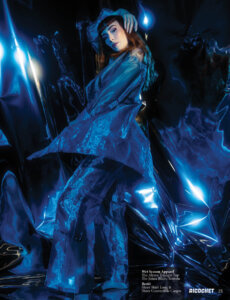 One of the more interesting creative developments we’ve observed this year is the accelerating influence of film and television aesthetics on brand and commercial photography. Cinematic photography is taking over creative feeds with cinematic lighting, rich color grading, and letterboxed frames.
What used to be reserved for editorial shoots or high-end commercial campaigns is now showing up in personal branding work, professional headshots, and small business photography.
Cinematic lighting has become a real point of differentiation. Dramatic shadows, directional light, and mood-driven compositions build an emotional connection that flat, even lighting simply can’t match.
For brands, this represents a real opportunity. Cinematic photography visually communicates quality, intentionality, and cultural fluency in a way that standard photography doesn’t. It says, ‘this brand pays attention to craft’. In a market where most brand imagery still defaults to bright, flat setups, the contrast is immediately noticeable to potential audiences.
The lesson here is this: don’t be afraid of depth, shadow, and mood. Audiences are primed for cinematic visual language from the content they consume daily. Brand photography that speaks that language meets them where they already are.
Lesson 4: Resonance Beats Budget Every Time
 The 2026 FIFA World Cup (despite over $10 billion in ad spend) showed that resonance beats budget. Successful campaigns played the long game, running across platforms before, during, and after the tournament.
Real-time fan discovery and organic advocacy proved powerful, while storytelling about emotions and shared experiences resonated more than product features. This lesson scales down directly to brand photography and content strategy for businesses of every size.
The most effective visual content we’ve produced this year hasn’t necessarily been the most technically complex or the most expensively produced. It’s been the work that told a true story about a real person, a real transformation, or a real experience, and told it with clarity and intention.
Cannes Lions 2026 also marked an interesting shift. The shift from celebrating advertising to rewarding commercial effectiveness, cultural relevance, and scalable innovation. The winning work reflected an industry where creativity is increasingly expected to drive tangible business outcomes.
This shows us that even simple ideas can deliver transformational results. The lesson here for all photographers is this: don’t let budget constraints become creative excuses. A well directed shoot with a clear brief and a genuine human story can outperform a big budget production built solely around aesthetics.
Lesson 5: AI Changed Workflow, Not the Work Itself
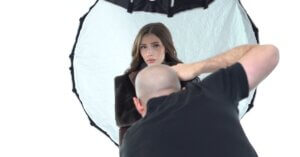 It wouldn’t be fair to give a recap of 2026 so far without unpacking AI further. The reality of AI and photography is a real and ongoing conversation. The technology has moved fast, and its impact on photography, particularly in post-production, is real and is accelerating daily. AI is automating editing tasks like background removal and enhancement, improving speed and scalability. It allows photographers to focus more on creativity while handling bulk production efficiently.
I know of many photographers who have integrated AI tools into parts of our editing workflow this year for the sake of efficiency. Now, tasks that used to take hours can now be completed in minutes. That’s a meaningful shift for turnaround times and for photographers juggling multiple projects.
Here’s what we’ve also observed: while AI can accelerate the production of visual content, it cannot generate the instinct that knows which moment to capture, the interpersonal skills that put a talent at ease, or the creative judgment that determines what a brand actually needs to communicate.
AI here isn’t the villain or the hero by any means; it should be treated as a tool. It can help you brainstorm, plan, and create, but it can’t and shouldn’t replace you. The lesson here is this: use AI where it genuinely improves the work but do not use it where it would replace the craft. Those are different decisions, and knowing the difference is what separates photographers who grow in this environment from those who get commoditized by it.
Lesson 6: Consistency Is A Competitive Advantage
 Consistency in creativity is one of the biggest advantages in 2026. Performance alone isn’t what’s carrying brands at the moment. Ad costs are rising, attention is scattered across a multitude of platforms, and audiences now choose brands that cause them to feel, and not just whatever brand they see.
We’ve watched this play out with clients all year. The brands generating the most traction from their visual content aren’t necessarily the ones with the best individual images; they’re the ones showing up consistently with a coherent visual identity across every channel. That means their website, their socials, and in print.
That’s why in 2026 brands need to be prioritizing cohesive visual systems across all commercial photography. This looks like consistent lighting styles, framing, color balance, and subject matter. You can’t rely on one-off images; instead, you need to be building visual libraries that work together. This is a fundamental shift in how brand photography should be planned and budgeted. Rather than commissioning a single shoot every 18 months when the website starts looking dated, brands need to be treating photography as an ongoing infrastructure investment.
This happens through building visual libraries through regular sessions that keep every channel current, cohesive, and alive. For entrepreneurs and growing businesses especially, the question isn’t simply whether you can afford to invest in consistent brand photography. It’s whether you can afford not to.
Lesson 7: The Brief Is Everything
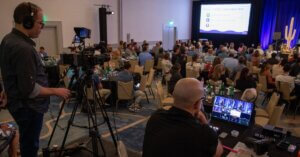 If there’s one operational lesson that has reinforced itself most clearly this year, it’s the value of a strong creative brief and the cost of not having one. The shoots that produce the strongest results in 2026 have shared one common feature: absolute clarity on what the images need to accomplish. Who is the audience? What do they need to feel? Where will these images live? What does the brand need to communicate that it isn’t communicating now?
These aren’t creative questions, these are strategic ones, and they need to be answered before the shoot even begins. The answers to these questions determine if a photoshoot produces a content library that a client is happy with, that builds your personal brand, or that supports your campaigns, or if a shoot generates a library full of images you can barely use.
The most successful creative ideas in 2026 are culturally relevant, commercially effective, and socially meaningful. Creativity should never be judged by the attention an image receives alone, but it should be judged by its ability to deliver business growth, solve real world problems, and create measurable impact.
That standard applies to brand photography as much as it does to global advertising campaigns. The brief is the foundation of everything. It’s what connects the creative execution to the business outcome.
What’s Working in Brand Photography in 2026?
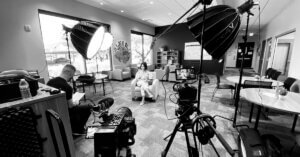 We’re just past the halfway point of 2026, and if these early lessons are any indication, the second half of the year will continue to reward photographers and brands who lead with authenticity, plan with strategy, and treat creative work as an investment rather than an expense. Yes, the tools are changing, the platforms are evolving, and the aesthetics are constantly shifting. But the fundamentals: genuine storytelling, human connection, strategic intent, consistent execution are as relevant as they’ve ever been.
If you’re thinking about what your brand’s visual strategy looks like for the rest of this year and into 2027, we’d love to be part of that conversation. Connect with James Patrick Photography to discuss your next brand photo shoot.



Awesome article!
Thanks so much Dan! Always such a pleasure working with you!