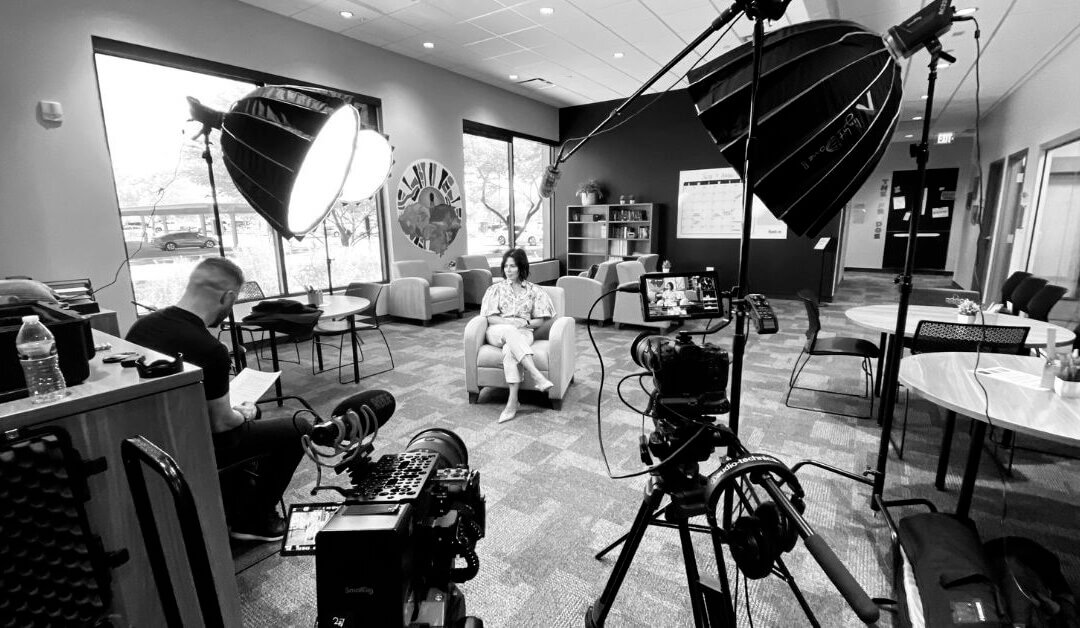
A brand photoshoot is one of those investments that can either become one of your most valuable marketing assets or a collection of beautiful images sitting unused on a hard drive.
The difference usually comes down to one thing: strategy.
Before the camera comes out, before you choose a location, and before you start building a shot list, you need to answer a much more important question:
What do you need these images to accomplish?
After photographing more than 800 magazine covers and working with brands, entrepreneurs, and organizations for more than two decades, I have seen the same mistake repeatedly. Businesses decide they need new photos, hire a photographer, and start planning the shoot before they ever define what success looks like.
The strongest brand photography is not created by simply taking great pictures. It is created by building a visual asset library designed to support your marketing, sales, website, social media, and overall brand positioning.
A successful brand photoshoot is both a creative project and a strategic business decision.
Here is how to plan one from concept to campaign.
Step 1: Define What the Shoot Needs to Accomplish
Before choosing a location, wardrobe, or photographer, define what the images need to do for your business.
A brand photoshoot designed for a website relaunch is very different from one created for social media content, a public relations campaign, or a sales presentation.
The images may look similar, but the strategy behind them is different.
Start by asking:
- Where will these images be used? Website, social media, advertising, print materials, presentations, media pitches?
- Who is the audience seeing these images?
- What do you want that audience to feel, understand, or do?
- Are you launching something new, repositioning your brand, or building a long-term content library?
- How much content will you need over the next six months?
One of the biggest mistakes I see businesses make is starting with:
“We need new photos.”
Instead, start with:
“What business problem are these photos solving?”
A website refresh, recruiting campaign, sales presentation, and social media strategy all require different types of imagery.
The goal is not to create more photos.
The goal is to create the right photos.
Step 2: Build Your Creative Concept
Once you understand the purpose of the shoot, the creative direction becomes much easier to define.
Your concept establishes the visual language of your brand:
- The mood
- The environment
- The colors
- The lighting style
- The personality
- The emotions you want to communicate
This is where a moodboard becomes valuable.
A moodboard is not about copying someone else’s work. It is about creating alignment between everyone involved in the project.
A strong moodboard helps answer questions like:
- Should the images feel polished or approachable?
- Should the lighting feel dramatic or natural?
- Should the environment feel corporate, creative, premium, or casual?
- How should customers feel when they see these images?
Your location should also support the story of your brand.
A modern office can communicate professionalism and scale.
A studio environment can provide a clean, elevated look with complete creative control.
An outdoor setting can create movement, warmth, and personality.
For personal brands and service-based businesses, the biggest opportunity is often showing the real people behind the company. Customers connect with people, not logos.
The goal is not to create a performance.
The goal is to create the right environment where authentic moments can happen.
Step 3: Build a Shot List Based on Marketing Needs
A shot list is more than a checklist of photos.
It is a production strategy.
A thoughtful shot list ensures you walk away with images that can actually be used instead of hundreds of variations that never leave a folder.
Organize your shot list around purpose.
Hero Images
These are your signature images.
They may become:
- Website banners
- Campaign images
- Media features
- Advertising assets
These deserve the most planning and creative attention.
Environmental Images
These show your brand in action.
Examples:
- Client meetings
- Product development
- Consultations
- Team collaboration
- Behind-the-scenes moments
These help potential customers understand how you work.
Detail Images
Small details add depth.
These may include:
- Tools
- Products
- Workspaces
- Materials
- Brand elements
Lifestyle and Personality Images
These images help humanize a brand.
They show:
- Leadership personality
- Team culture
- Customer interaction
- Behind-the-scenes moments
Platform-Specific Images
Remember where these images will live.
A modern content library should include:
- Vertical images for social media
- Wide images for websites
- Cropped options for different platforms
- Images designed for email campaigns
The biggest value comes from thinking beyond shoot day.
You are not creating images for today.
You are creating marketing assets your company can use for months.
Step 4: Choose the Right Photographer, Team, and Location
The photographer you choose impacts much more than the final images.
A great brand photographer does not simply show up and take pictures.
They help solve problems.
They ask questions.
They understand marketing goals.
They help turn ideas into visuals that support the business.
The right photographer should feel like a creative partner, not just a vendor.
For businesses in Phoenix and throughout Arizona, we have incredible creative options. From modern architecture and desert landscapes to professional studio environments, the location should reinforce the personality of your brand.
Beyond the photographer, consider whether your project needs additional support:
- Hair and makeup for executive or personal branding portraits
- Wardrobe styling to create visual consistency
- Prop styling for product or lifestyle photography
- Production coordination for larger campaigns
The right team allows everyone to focus on their role and creates a better final product.
Step 5: Prepare Your People and Products
Preparation has a direct impact on the final images.
For founders, executives, and teams, share the creative direction before shoot day.
Provide:
- Moodboards
- Wardrobe guidance
- Expectations for the day
- Examples of the visual direction
The goal is not to create stiff, rehearsed images.
The goal is to remove uncertainty so people can relax and be themselves.
Most people are not naturally comfortable in front of a camera. Good preparation creates confidence.
For product photography, preparation matters just as much.
The camera sees everything.
Small imperfections like scratches, damaged packaging, fingerprints, or inconsistencies become much more noticeable in a professional image.
Treat product preparation the same way you would prepare for an important client presentation.
Step 6: Run the Shoot Day With Intention
A successful shoot day has rhythm.
You want to build momentum instead of exhausting everyone before the best images happen.
Start with your most important setups.
Early images are often about getting comfortable, refining lighting, and finding the strongest expressions.
The first pancake is rarely the best pancake. A photoshoot works the same way.
Once everyone settles in, the creative process improves.
Keep the original strategy visible throughout the day.
It is easy to get distracted by ideas that look interesting but do not support the original goal.
The creative brief is the anchor.
Every image should have a purpose.
Step 7: Edit and Deliver With the Campaign in Mind
Photography does not end when the camera stops.
Post-production transforms individual images into a consistent visual identity.
Strong brand photography requires:
- Consistent color treatment
- Appropriate retouching
- Multiple file formats
- Organized delivery
- Images optimized for different platforms
A great image delivered incorrectly can create unnecessary problems.
A website needs different files than social media.
A magazine needs different specifications than an email campaign.
The delivery process is part of the service because the goal is not simply creating images.
The goal is making those images easy to use.
Step 8: Deploy the Images Across Your Marketing
The photoshoot is complete, but the work is just beginning.
Your images should support every place your audience interacts with your brand.
According to HubSpot Marketing Resources, consistent brand messaging across marketing channels plays an important role in building recognition and trust with your audience. Your photography should support that same consistency.
Use your image library for:
Website
Update:
- Homepage imagery
- About pages
- Service pages
- Team pages
- Case studies
Social Media
Create intentional content campaigns instead of posting randomly.
A well-planned shoot can provide months of content.
Email Marketing
Use fresh imagery as part of a brand refresh or campaign launch.
Sales Materials
Help your sales team communicate your value visually.
Media and PR
Professional photography can strengthen media pitches and earned media opportunities.
The brands that understand photography best do not see images as decoration.
They see them as tools that build trust, communicate value, and influence decisions.
Common Brand Photoshoot Mistakes Businesses Make
Starting With Aesthetic Instead of Strategy
Beautiful images are not enough.
The images need to support a business goal.
Creating Only One Type of Image
A website image, LinkedIn post, advertisement, and media feature all have different needs.
Plan for variety.
Treating Photography as a One-Day Project
The best return comes from thinking about how images will be used for months after the shoot.
Not Investing in the Experience
Professional photography is not just about equipment.
The planning, creative direction, production, and process all impact the final result.
How Much Should You Invest in a Brand Photoshoot?
The investment depends on your goals.
A founder portrait session and a full brand campaign are very different projects.
Factors that impact investment include:
- Number of locations
- Number of people involved
- Creative complexity
- Production needs
- Number of final images required
- Intended usage
The right question is not:
“How much does a photoshoot cost?”
The better question is:
“What value will these images create for my business over the next year?”
A strategic brand photoshoot can support your website, marketing campaigns, social media, sales efforts, and media opportunities for months.
Ready to Create Images That Actually Work for Your Brand?
At James Patrick Photography, we help entrepreneurs, executives, and growing businesses create strategic brand photography designed for websites, campaigns, social media, and beyond.
From the initial creative concept through final delivery, we build image libraries that help businesses communicate their value and strengthen their brand presence.
Because great photography is not just about how your brand looks.
It is about how your audience understands it.