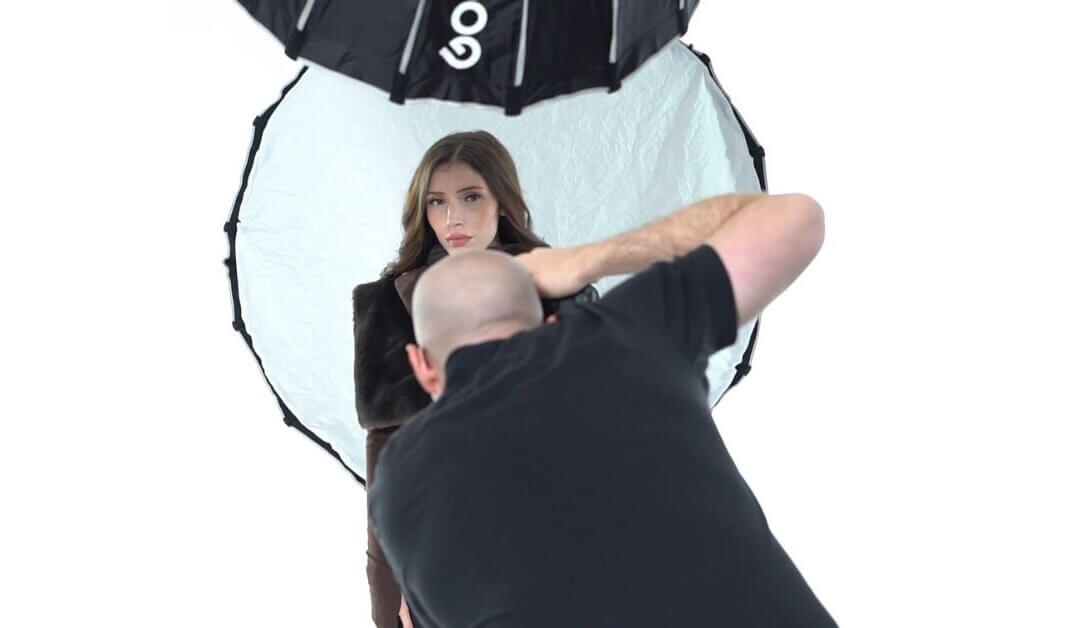
Creating more content has never been easier. Creating content that actually drives business results is another story.
Every day, businesses publish photos, videos, Reels, blog posts, and social media updates with the hope of attracting new customers. Yet much of that content receives little engagement, generates few leads, and quickly disappears into an increasingly crowded digital landscape.
The difference between content that converts and content that gets ignored isn’t determined by a bigger marketing budget or the latest camera equipment. It isn’t even about producing more content.
It’s about creating the right content for the right audience on the right platform.
As a commercial photographer and creative director, I’ve watched the expectations surrounding visual content change dramatically over the last decade. Brands that once stood out simply by investing in professional photography now compete in a marketplace where nearly everyone has access to high-quality cameras, sophisticated editing software, and AI-powered creative tools.
Professional photography and video production still matter—perhaps more than ever—but success no longer comes from creating beautiful visuals alone. It comes from understanding how people consume content, what builds trust, and how each platform influences buying decisions.
When businesses approach photography and video strategically instead of treating them as one-off marketing expenses, they create assets that continue generating leads long after the cameras stop rolling.
Why Most Visual Content Gets Ignored
Not long ago, polished photography alone was enough to distinguish a business from its competitors. Hiring a professional photographer demonstrated that a company cared about quality and was willing to invest in its brand.
Today, that standard has changed.
Smartphones capture remarkable images. Affordable lighting equipment is widely available. Video editing software is accessible to anyone with a laptop. Even AI can generate convincing imagery in seconds.
The result isn’t that professional photography has become less valuable. It’s that audiences have become far more selective about what deserves their attention.
People don’t ignore content because it lacks technical quality. They ignore content because it lacks relevance.
Modern audiences recognize marketing immediately. They’ve learned to scroll past generic stock photography, staged corporate imagery, and promotional videos that prioritize selling over helping.
The brands earning attention today create visuals that feel authentic, useful, and specific to the audience they’re trying to reach.
That doesn’t mean abandoning professionalism. It means combining professional production with genuine storytelling, real people, and intentional messaging.
The businesses seeing the strongest return on their marketing investment understand that every platform serves a different purpose, and every photograph or video should be created with that purpose in mind.
Social Media: Authenticity Wins Attention
Social media isn’t where people go to watch commercials. They open Instagram, LinkedIn, Facebook, or TikTok to discover ideas, learn something new, or connect with people.
Content that feels overly produced often signals “advertisement” before someone even reads the caption.
Ironically, some of the highest-performing content today appears less polished than traditional marketing campaigns.
That doesn’t mean low quality performs better. It means authenticity performs better.
A behind-the-scenes moment from a commercial photo shoot, a quick explanation filmed on location, or genuine interactions between team members often generate more engagement than perfectly staged promotional imagery because they feel timely, personal, and believable.
Professional photographers and videographers should absolutely produce polished marketing assets—but they should also capture the moments between the planned shots. Those candid moments often become some of the most valuable pieces of content a business publishes throughout the year.
Photography That Performs on Social Media
The strongest-performing photography typically includes:
- Real people instead of anonymous models whenever possible.
- Genuine expressions instead of forced smiles.
- Authentic work environments rather than generic backgrounds.
- Images that tell a story instead of simply showcasing a product.
- Customer experiences, client success stories, and behind-the-scenes moments.
- Photos that communicate personality as much as professionalism.
These images create emotional connections because they allow potential customers to imagine themselves working with your company.
Photography That Gets Ignored
Content tends to underperform when it relies on:
- Generic stock-photo aesthetics.
- Product images with no human context.
- Overly retouched portraits.
- Visuals that could belong to almost any company.
- AI-generated imagery that lacks authenticity or emotional connection.
Consumers have become remarkably good at recognizing content that feels manufactured. Authenticity consistently outperforms perfection when trust is the goal.
Video Content That Converts
Short-form video continues to dominate social platforms, but successful videos aren’t successful simply because they’re short.
They’re successful because they communicate value immediately.
The best-performing business videos typically feature:
- A compelling visual hook within the first few seconds.
- Clear subtitles for viewers watching without sound.
- Educational insights that solve a specific problem.
- Conversations that feel natural instead of scripted.
- Behind-the-scenes footage.
- Before-and-after transformations.
- Demonstrations that answer common customer questions.
The objective isn’t to impress viewers with cinematic production. It’s to earn enough trust that they continue watching.
What Causes Social Videos to Fail?
Common mistakes include:
- Long introductions.
- Slow pacing.
- Excessive branding before providing value.
- Videos that require viewers to wait for the point.
- Promotional messaging without educational content.
Attention is earned—not assumed.
Your Website: Where Visual Content Builds Trust
Social media creates awareness.
Your website creates confidence.
Once someone clicks through to your website, they’re no longer deciding whether to keep scrolling. They’re deciding whether your business deserves their trust.
Photography and video serve a different purpose here.
Instead of interrupting attention, they reinforce credibility.
Visitors want evidence that your company is legitimate, experienced, and capable of delivering results.
Professional brand photography becomes one of the strongest trust signals on your website because it answers questions before visitors ever contact you.
- Who will I work with?
- What does this company actually do?
- Can I trust them?
- Do they look established?
Those questions are answered visually long before someone reads a paragraph of copy.
Website Photography That Converts Visitors into Clients
The highest-performing websites almost always feature original photography rather than stock imagery.
That includes:
- Environmental portraits of your leadership team.
- Employees interacting naturally.
- Behind-the-scenes images of your process.
- Real client projects.
- Office, studio, or workspace photography.
- Authentic customer interactions.
For service-based businesses especially, people buy relationships before they buy services.
Showing real people creates familiarity, and familiarity builds trust.
Hero Images That Work
Your homepage hero image should immediately communicate:
- Who you help.
- What you do.
- The transformation you provide.
- Your professionalism.
Whenever possible, include people in your hero imagery rather than empty offices or abstract graphics.
Human connection consistently outperforms generic visuals.
Website photography should also be optimized for performance. Large image files slow page speed, negatively affecting both user experience and search rankings.
Beautiful photography should never come at the expense of website performance.
Video That Generates Leads
If you’re investing in only one professionally produced video for your website, make it a brand overview video.
A concise one- to two-minute introduction allows potential clients to understand who you are, who you serve, and why your approach is different.
Done well, this single asset can significantly improve inquiry rates because it creates a personal connection before the first conversation ever takes place.
Equally powerful are client testimonial videos.
Watching a satisfied customer describe their experience carries substantially more credibility than reading a written testimonial.
Prospective clients don’t simply want to hear what your company says about itself.
They want reassurance from someone who’s already experienced working with you.
Businesses that combine authentic photography with strategic video create websites that feel more trustworthy, more approachable, and ultimately more persuasive.
Print Marketing: The Channel Too Many Brands Have Forgotten
While nearly every business is competing for attention online, far fewer are investing in print. That presents a unique opportunity.
Magazines, annual reports, brochures, direct mail campaigns, event programs, sales collateral, and trade show materials all offer something digital platforms can’t: a distraction-free environment. Instead of competing with hundreds of posts in a social media feed, your photography has the viewer’s full attention.
Print also carries a level of permanence that digital content often lacks. A well-designed magazine or brochure may remain on a desk or coffee table for weeks or months, creating repeated exposure long after it’s been delivered.
That makes high-quality photography even more important.
Unlike digital content, print can’t rely on animation, video, or interactive elements to capture attention. Every image must communicate the story on its own.
What Makes Photography Work in Print?
Photography created specifically for print often differs from photography intended for social media or websites.
Successful print imagery typically includes:
- High-resolution files designed for large-format reproduction.
- Strong composition that guides the reader’s eye.
- Intentional negative space for headlines and copy.
- Rich color and contrast that reproduces well on paper.
- Images that tell a complete story within a single frame.
Many businesses make the mistake of repurposing social media images for print without considering layout, resolution, or composition. Planning photography with print in mind from the beginning produces far stronger results.
Print remains one of the most effective ways to establish credibility, particularly for luxury brands, professional services, healthcare organizations, hospitality companies, and businesses targeting high-value clients.
Earned Media: Photography That Builds Authority
One of the most overlooked uses of professional photography is supporting public relations and earned media.
When a journalist, magazine editor, podcast producer, or television station decides to feature your company, they’re looking for more than a compelling story. They need visuals that help tell it.
Businesses that already have a library of editorial-quality photography are far more likely to secure media coverage because they make the editor’s job easier.
Instead of scrambling to produce images after an interview has been scheduled, they’re able to immediately provide polished, publication-ready assets.
Photography That Supports Media Coverage
Editorial outlets typically look for photography that feels authentic rather than promotional.
The strongest media assets include:
- Environmental portraits.
- Behind-the-scenes documentation.
- Images showing products or services in use.
- Team photography that feels natural.
- High-resolution files suitable for publication.
The goal isn’t to advertise your business.
It’s to help tell an interesting story.
That’s an important distinction.
The more useful your photography is to journalists and editors, the greater the opportunity for meaningful media exposure.
Video That Supports Public Relations
Video has become equally valuable for earned media.
News organizations, digital publications, and podcast producers often prefer businesses that already have professional video assets available.
Useful content might include:
- Facility tours.
- Manufacturing or production processes.
- Community events.
- Product demonstrations.
- Customer success stories.
- Founder interviews.
- Behind-the-scenes footage.
These assets extend the life of every media opportunity while giving your own marketing team valuable content to repurpose across your website, email campaigns, and social media channels.
When one piece of content serves multiple purposes, your return on investment increases dramatically.
Build Content for Every Platform—Not Just One
One of the biggest mistakes businesses make is creating content with only a single platform in mind.
A company schedules a photo shoot because they need new headshots.
Or they commission a promotional video because they need something for Instagram.
That’s a tactical decision.
Strategic brands think much bigger.
Before a camera ever comes out, they ask:
- What does our website need?
- What can we publish on social media over the next six months?
- What images support future press opportunities?
- What photography will sales need?
- What can we use in presentations?
- What belongs in email campaigns?
- What should we save for print?
Planning content this way dramatically increases the value of every production day.
One commercial photography session can easily produce:
- Website hero images.
- Team photography.
- Environmental portraits.
- Social media content.
- Behind-the-scenes imagery.
- Short-form video clips.
- Client testimonials.
- Marketing collateral.
- Editorial photography for future media outreach.
Instead of thinking in terms of “one shoot,” think in terms of building a visual content library your business can leverage for the next year.
The Brands Seeing the Best Results Have These Habits in Common
After working with businesses across healthcare, fitness, hospitality, law, publishing, professional services, and consumer brands, I’ve noticed several consistent patterns among organizations that consistently generate strong returns from their visual content.
They Lead With Their Audience
The most effective content begins with customer questions—not company messaging.
Instead of asking, “What do we want to say?”
They ask, “What does our audience need to see to feel confident choosing us?”
That shift changes everything.
They Invest in Professional Photography and Video
Professional photography isn’t simply about making a business look good.
It’s about reducing uncertainty.
Every authentic image answers questions, reinforces credibility, and builds trust before the first sales conversation ever happens.
They Refresh Their Content Regularly
A website filled with five-year-old photography sends an unintended message.
It suggests the business hasn’t evolved.
Successful companies routinely update their visual assets to reflect current team members, recent work, new services, and the way clients actually experience the brand today.
For most businesses, reviewing photography and video annually is a smart benchmark.
Frequently Asked Questions
How often should a business update its brand photography?
Most companies benefit from scheduling a commercial photography session every 12 to 24 months. Businesses that produce frequent marketing campaigns or publish content regularly may benefit from quarterly content creation sessions.
Is professional photography worth it for small businesses?
Absolutely. Professional photography helps establish credibility, builds trust, improves website conversion rates, strengthens marketing materials, and differentiates your business from competitors using generic or stock imagery.
Should businesses invest in photography or video first?
If you’re choosing only one, start with photography. Professional images will be used across your website, social media, email marketing, advertising, sales materials, and public relations. Once those foundational assets are in place, strategic video production becomes the next logical investment.
Does professional photography improve SEO?
Photography doesn’t directly improve search rankings simply by existing. However, original photography increases user engagement, improves time spent on your website, supports image search, strengthens local SEO through descriptive alt text, and contributes to a better overall user experience—all of which can positively influence search performance.
Commercial Photography & Video Production in Phoenix
Businesses throughout Phoenix, Scottsdale, Tempe, Mesa, Chandler, Gilbert, and the greater Southwest face the same challenge: standing out in increasingly competitive markets.
Professional photography and video production are no longer optional marketing luxuries. They’re foundational business assets that influence how customers perceive your brand, evaluate your credibility, and decide whether to contact you.
Whether you’re launching a new business, redesigning your website, planning an advertising campaign, or refreshing your marketing materials, the right visual content helps transform attention into trust—and trust into inquiries.
After photographing more than 800 magazine covers and producing commercial campaigns for brands ranging from startups to nationally recognized companies, I’ve seen firsthand that the businesses achieving the greatest return aren’t necessarily the ones spending the most. They’re the ones creating visual content with intention.
Every photograph should have a purpose.
Every video should answer a question.
Every production should support multiple marketing objectives.
When strategy drives the creative process, photography and video stop being marketing expenses and become long-term business investments.
If you’re looking for a commercial photographer in Phoenix or need brand photography, advertising photography, editorial portraits, or commercial video production that supports your marketing goals, I’d love to help you create a visual library designed to generate results long after the shoot is over.
Check out part 2 of this series on what is working in commercial photography in 2026.