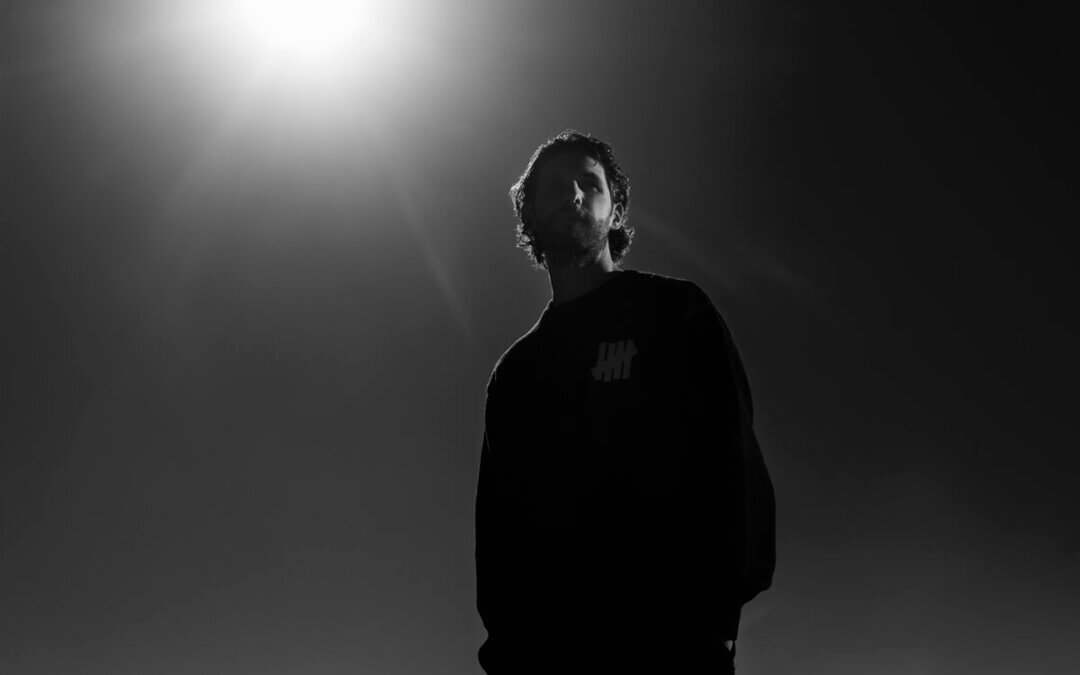
You land the shoot. A celebrity. A pro athlete. Maybe it’s a buzzy actor doing press for a film or a football player fresh off a headline-making season. And in that moment, you think: This is it. This is the break that changes everything.
But is it?
In a culture obsessed with proximity to fame, it’s easy to assume that working with high-profile talent is the fast track to creative credibility. The assumption is baked into the industry: celebrity equals clout, clout equals clients.
And yet, after more than two decades in photography, what’s clear to me is this: celebrity association doesn’t move the needle nearly as much as we’d like to believe.
Years ago, I had the opportunity to photograph Joel McHale and Eric Bana during a press stop for a film. It was a rushed, two-minute setup: bad lighting, bad background, no time to refine anything. But I got the shot. Technically.
At the time, I felt a surge of validation. These were household names, now in my portfolio. Surely, that meant something.
But here’s the uncomfortable truth: a weak image of a famous subject is still a weak image. And no editor, creative director, or art buyer is going to be impressed by a recognizable face if the work doesn’t hold up.
I’ve sat through portfolio reviews with top editors who flipped past “celebrity” shots without comment. I’ve been told (flatly) to remove them. Why? Because the image wasn’t strong enough. “Show your best,” they said. Not your most famous.
I once shot Beanie Wells, a former first-round NFL draft pick. It was a clean, well-executed portrait, and I was proud of it. Later, that image helped open doors at Men’s Fitness, Sports Illustrated, and Golf Magazine. But here’s the twist: none of the people who hired me knew who Beanie Wells was.
They didn’t care. What they saw was quality.
That lesson has echoed throughout my career: the name doesn’t land the job. The work does.
To be clear, working with high-profile talent can offer value, but not necessarily the value you expect.
The prestige matters less than proving you can handle the pressure.
Shooting celebrities or athletes often means navigating layers of gatekeepers like agents, managers, publicists while working on tight timelines and managing big personalities. The logistics are intense, and the margin for error is thin. Demonstrating that you can deliver in those conditions builds trust. It’s a signal to future clients that you can handle high-stakes work.
But that reputation doesn’t really hinge on names. It’s what happens behind the scenes.
If there’s a throughline in all of this, it’s that your portfolio is your pitch. Each image is a promise. And what you’re promising isn’t access or association…it’s excellence.
So before you add that celebrity portrait to your site, ask yourself: Is this my best work? Not “Is this the most famous person I’ve shot?” Not “Will this impress someone?” Just: Is it good?
Because at the end of the day, what gets you hired isn’t who you know. It’s what you can do.