Make it easy for editors, producers, and collaborators to feature you. Build a press kit that showcases your story, your expertise, and your best brand photography.
If you want to grow your personal brand, land more press coverage, and look like a professional online, you need a press kit. Not just any PDF: a strategic, media-ready personal brand press kit that showcases your story, visuals, and credibility.
Whether you’re an entrepreneur, coach, or creative professional, your press kit is the foundation of how you show up. It’s what podcast hosts, journalists, and potential partners look at before deciding whether to feature you. Done right, it positions you as credible and established. Done wrong, it can hold you back.
As a professional photographer and media strategist in Phoenix, I’ve worked with hundreds of entrepreneurs and businesses, helping them create photos and messaging that get noticed. Here’s exactly how to build a press kit that looks amazing, tells your story clearly, and helps you land more opportunities.
Why you need a press kit as a personal brand
A press kit, also known as a media kit, is your brand’s highlight reel. It’s the one document that gives editors, podcast producers, and collaborators everything they need to talk about you professionally and accurately.
You can think of it as your brand’s control center. It’s the place where your visual identity, bio, and proof of expertise live together in one professional presentation.
Every strong press kit includes:
- A short and long version of your bio
- A curated selection of high-resolution brand photography
- Your logo and brand assets
- Notable media coverage and press mentions
- Key facts, stats, or achievements
- Contact information and active social links
The purpose of your press kit is to make it easy for others to feature you. Instead of hunting for your headshots or rewriting your bio, they can just grab what they need.
Professional photography for your press kit
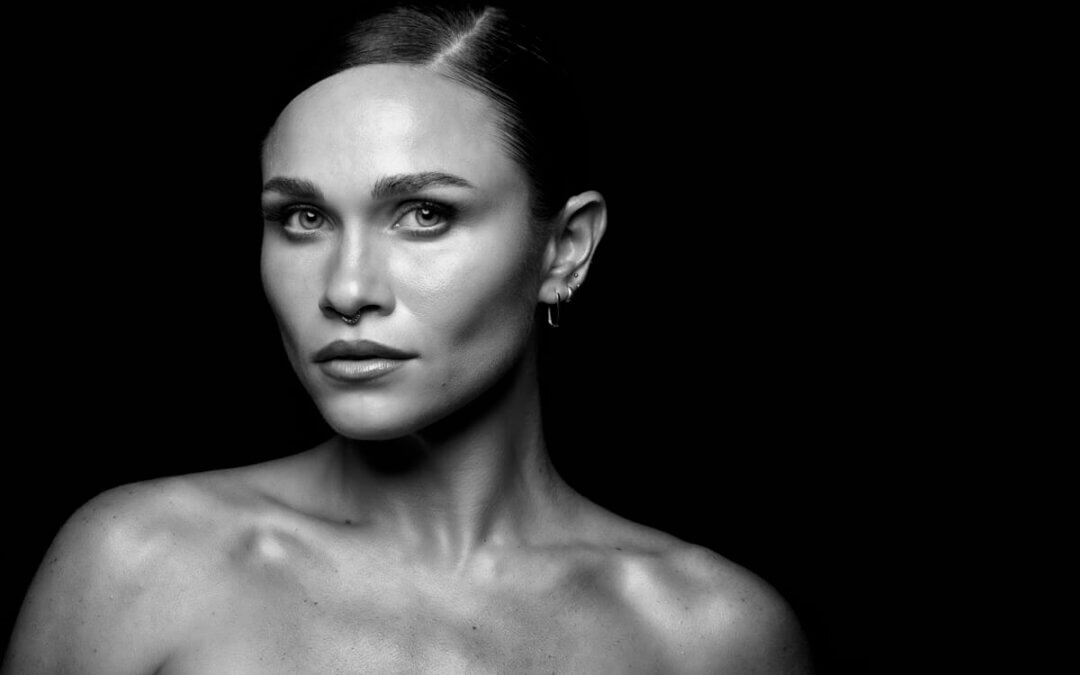
Your visuals are the most powerful part of your press kit. They’re what people see before they read a word, and they instantly influence how your brand is perceived.
As a Phoenix photographer, I’ve seen how intentional imagery completely changes how my clients are positioned. Professional photography communicates authority, trust, and personality, and showing up with confidence to your photoshoot can make all the difference.
You’ll want three categories of images in your media kit:
- Professional photography portraits
These are your professional headshots. They should look consistent with your brand whether that’s modern and creative or refined and corporate. Use soft, natural lighting and simple backgrounds that keep the focus on you. - Professional lifestyle photography
Show yourself doing what you do best: coaching, designing, presenting, or creating. Lifestyle photos tell the story behind your brand and make you relatable. These are perfect to use not only for your press kit but also for websites, podcast graphics, and social media. - Professional environment or product images
Include wider shots that set the scene. This could be your workspace, your tools, or your product in action, if applicable. These photos add context and authenticity.
Photography tips for your press kit:
- Include both horizontal and vertical formats for flexibility.
- Export high-resolution (300 dpi) and web-optimized (72 dpi) versions.
- Keep editing clean and timeless, so skip those heavy filters.
- Label files clearly (e.g., “JamesPatrick_PhoenixPhotography.jpg”).
Related: Frequently Asked Questions About Brand Photography in Phoenix | James Patrick Photography
How to write a bio for your press kit
Your bio will quite possibly be copied and pasted by a journalist or media host, so make it sound professional, readable, and true to your brand voice.
You’ll need two versions:
- A short version (50–75 words) for quick features and introductions
- A long version (150–250 words) for articles, interviews, and event pages
Start with what you do and who you help, then add context like where you’re based, what you’re known for, and any career highlights or media appearances.
For example:
James Patrick is an award-winning professional photographer, author, and media strategist based in Phoenix, Arizona. Through Lumedia Creative and The Hive Studios, he helps entrepreneurs and executives elevate their personal brands with professional photography and strategic storytelling. His work has appeared in major publications, and his podcast, Beyond the Image, explores the intersection of creativity, business, and brand growth.
Tips for optimizing your bio:
- Write in third person for easy quoting.
- Add relevant keywords naturally (like “Phoenix photographer” or “personal brand strategist”).
- Avoid jargon: speak like a human.
- Include a call to action or website link.
Add social proof to your press kit
If your visuals and bio establish who you are, your proof establishes why people should care. This is the trust factor: the thing that convinces editors and brands you’re credible.
In your press kit, include:
- Logos of media outlets or podcasts you’ve been featured in
- Awards or industry recognition
- Testimonials or client quotes
- Notable partnerships or collaborations
- Measurable impact or metrics (like “Photographed 500+ entrepreneurs across the U.S.”)
If you’re just starting out, focus on momentum such as upcoming launches, collaborations, or growth milestones. Media professionals want to feature people who are active and evolving, not static.
Even a local feature, small podcast, or community recognition adds legitimacy. Don’t underestimate how far “consistent visibility” goes.
Make your press kit easy to access and use
You can have the best press kit in the world, but if it’s buried in attachments or outdated links, it’s useless. Make it clean, accessible, and intuitive.
You’ve got three format options:
- Downloadable PDF: Ideal for sending in pitches. Keep it under 10MB, and make sure links are clickable.
- Cloud folder (Google Drive or Dropbox): Organize into clear folders: “Headshots,” “Lifestyle,” “Press,” “Logos.”
- Dedicated webpage: The best long-term option for SEO and shareability. Add a “Press” or “Media Kit” page to your website with downloadable assets and contact info.
If you’re building a page, structure it like this:
- Hero image + tagline (immediate impression)
- Bio and quick intro
- Downloadable photo gallery
- Press and media logos
- Testimonials or achievements
- Contact or booking information
For SEO, name your files and page strategically. A URL like “/phoenix-brand-photography-press-kit” will rank higher than “/media.” Search engines like clarity and consistency.
Update your press kit to keep it current
Your press kit should evolve as your brand does. Outdated photos, bios, or press links tell people you’ve gone quiet — even if you haven’t.
Set a reminder to review it every few months. Add new photography, update your achievements, and make sure all links still work. If you’ve been featured somewhere new, add that logo or link immediately.
A press kit is like a living résumé: the more current it is, the more opportunities it attracts.
Professional Photography in Phoenix, Arizona
Your press kit is only as strong as the photography behind it. If your headshots, brand photos, or media materials are outdated, now’s the time to refresh them. I specialize in creating professional, press-ready photography that helps entrepreneurs, executives, and creators stand out in a competitive market.
Book your professional photography session in Phoenix, Arizona, and let’s build a media kit that captures attention, builds trust, and gets you featured. Contact me today.